Aluminum Boat Spec Sheet: Length, Beam, Draft, Displacement
The four figures that decide whether an aluminum work boat fits your operation are rarely the ones a buyer checks first. Overall length, waterline length, breadth, depth moulded, draft and displacement are each measured to a different convention, from a different reference point, or under a different load condition. Two builders can publish near-identical numbers for vessels that behave very differently at the berth, on the slipway and under load.
This guide decodes those dimensions in the order they affect a purchase decision, using published reference figures from Dookyu Crown: the DK-WR at 11.00 m overall length with an 8.81 m waterline length, the DK-FS reference at 2.25 m breadth and 1.1 m depth moulded, and a full-load displacement of 5.60 tons. It also explains why 5083-H116 aluminum hull construction changes what the displacement figure means — not only what the maintenance bill looks like.
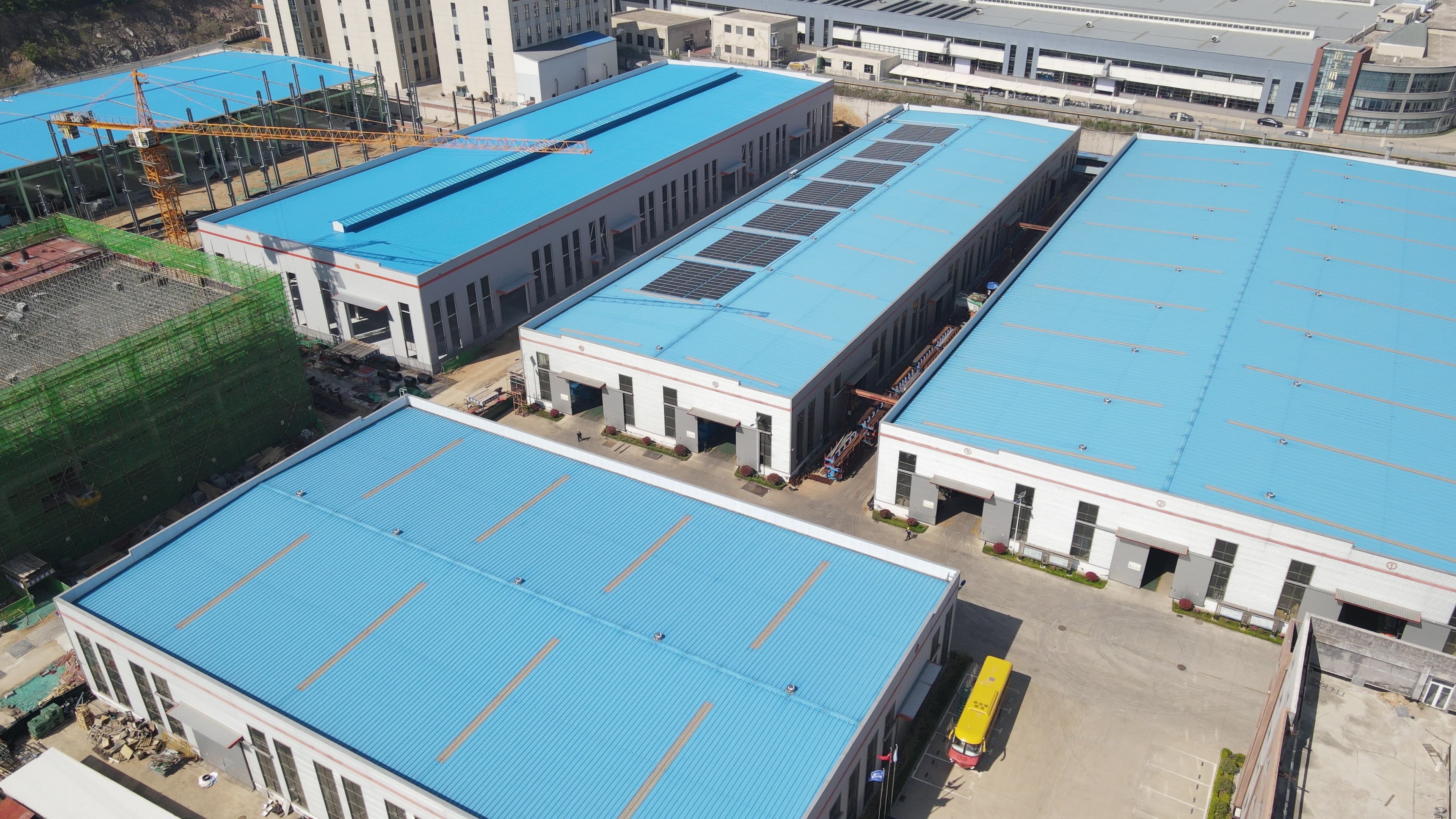
Aluminum work boats are compared on paper long before anyone steps on board. The unit and convention behind each number matter as much as the number itself.
A spec sheet records measurements — not a comparison
A spec sheet answers a different question in every row, and the same label can hide three different conventions. That is the root of most procurement mismatches in this category.
- Length without a stated convention. Some builders publish maximum length including pulpits, outboard brackets and swim platforms; others publish hull length or a registered length used for classification.
- Breadth without a stated reference. Maximum breadth at the sheer and beam at the waterline are different measurements, and only one of them drives stability.
- Displacement without a load condition. Full load, half load and lightship describe three different vessels using one word.
- Depth read as draft. Depth moulded describes hull volume; it says nothing about how deep the boat floats.
Each gap is small on its own. Together they are the reason two eleven-metre aluminum work boats can be quoted into the same tender and still not be interchangeable.
Why dimension literacy matters in aluminum work boat procurement
Aluminum is specified for work boats because structural weight is a design budget rather than a detail. A marine-grade aluminum hull is 30–45% lighter than a steel hull of equal strength, and the lighter hull of an aluminum boat reduces fuel consumption by 15–30% compared with an FRP hull of similar duty. The category is large enough that reading differences carry commercial weight: the global aluminum vessel market was estimated at USD 6.145 billion in 2024, with a projected compound annual growth rate of 4.21% from 2025 to 2035 (Market Research Future).
For a buyer, that weight advantage only becomes useful when you can see where it sits in the numbers — what the bare hull weighs, what the loaded vessel displaces, and how much of that displacement is left for fuel, equipment and people after structure has taken its share. That is a reading skill before it is a materials question.
Overall length vs waterline length: reading 11.00 m and 8.81 m
Overall length is the maximum length of the vessel including hull structure and permanently attached fittings. Waterline length is measured at the designed waterline and is the length the hull's hydrodynamics actually work with. The two answer different questions: berths, slipways, cradles, crane lifts, trailers and shipping frames are sized from overall length, while resistance, speed estimates and seakeeping assessments are built on waterline length.
The Dookyu Crown DK-WR publishes 11.00 m overall length and 8.81 m waterline length. The difference is 2.19 m (11.00 − 8.81), which is about 20% of the overall length — and that 2.19 m sits entirely outside the length that drives performance.
What this means in a live comparison: an 11.00 m overall-length hull and a competitor's 11.00 m waterline-length hull are not the same length of boat. The first may have a materially shorter working waterline, which affects the speed it reaches for a given installed power. The reverse also happens — a hull quoted at a shorter overall length can carry a longer waterline.
What to request: the measurement standard behind the overall figure, including whether pulpits, outboard brackets, swim platforms and rubbing strakes are counted, and the waterline length at the load condition you will actually operate at rather than at an abstract design point.
Breadth and depth moulded: reading 2.25 m and 1.1 m
Breadth is the maximum transverse width of the hull, and on most planing and semi-planing aluminum work boats it occurs at or near the sheer rather than at the waterline. Waterline beam is a separate figure and is the one that influences stability and resistance. The DK-FS reference publishes 2.25 m breadth — a maximum-breadth figure that tells you about road transport requirements, marina berth allocation, crane spread and internal volume, and tells you nothing directly about how the hull will behave in a seaway.
Depth moulded is measured from the top of the keel to the deck at side amidships, excluding plate thickness and any superstructure above the deck. It is not draft, and confusing the two is one of the most common reading errors in aluminum work boat specifications. Depth moulded describes the hull volume between keel and deck edge — the space that becomes hold volume, engine room height, cockpit depth or tankage depending on layout. The DK-FS reference publishes 1.1 m depth moulded.
Two limits are worth stating plainly. Depth moulded does not tell you the freeboard the vessel will have once loaded, because freeboard depends on displacement and hull form. It also does not tell you usable internal headroom after deck structure, insulation and equipment are installed.
Full-load displacement of 5.60 tons: a number with a condition attached
Displacement is the weight of water the vessel displaces, and it equals the total weight of the vessel at that load condition. A full-load displacement of 5.60 tons is therefore a statement about the vessel plus everything the builder counts as full load — fuel, fresh water, crew, stores and payload allowance. The composition of that load is the part buyers most often leave unconfirmed.
If only the full-load figure is published, lightship weight and payload capacity cannot be derived from it, because the payload allocation that completes the equation is not shown. Ask for the load schedule in writing. Without it, a 5.60 ton displacement cannot be compared with another builder's 5.60 tons, which may be quoted at half load or at lightship — three different vessels described by one number.
A second comparison rule follows the same logic: displacement is only meaningful against a comparable length and a stated load condition. Placing a full-load figure beside a competitor's lightship figure produces a difference in convention, not a difference in capability.
Draft and displacement: how payload and speed actually move
Draft is the vertical distance from the waterline to the lowest point of the hull or running gear at a stated load condition, and it is the dimension that changes every time fuel, water or payload does. A single draft number without a load case is not a specification; it is an anecdote.
The reference figures used in this guide do not publish a draft value for the DK-WR or DK-FS. The correct procurement action is to request draft in writing at two conditions — lightship and full load — and to confirm whether the figure includes the lowest point of the outboard leg, propeller or rudder rather than hull structure alone.
Operationally, draft and displacement have to be checked together against the route. Take the charted depth, subtract the under-keel clearance you are prepared to defend, and allow for the increase in effective draft caused by squat at speed in shallow water. A vessel that clears a river bar at lightship may not clear it with a full fuel load, and that is a displacement question rather than a hull-form question.
Payload and speed move in the same relationship. Adding load raises displacement, the hull sits deeper, wetted surface and immersed volume rise, and resistance rises with them. In practice that usually appears as a lower top speed for the same installed power, a higher fuel burn for the same cruising speed, or both. How much depends on hull form, power selection, propeller or outboard choice and where in the speed range you operate. Displacement sets the budget; it does not predict the outcome on its own.
What 5083-H116 aluminum construction changes about the numbers
5083 is an aluminum-magnesium alloy used for marine plate because of its corrosion resistance in salt water and its weldability. H116 is a strain-hardened temper specified for marine service, with mechanical properties and corrosion behaviour controlled for that environment. The consequence for a spec sheet is direct: lightship weight is a designed outcome of plate grade, plate thickness and stiffener spacing, not an incidental result of specifying aluminum at all.
Qingdao Dookyu Crown Marine Co., Ltd. states that it works with marine-grade aluminum including 5083 and 5086 alloys, and builds hulls and superstructures using MIG/TIG welding and precision CNC cutting to tight tolerances, meeting international standards such as CE and ISO 9001. In a tender evaluation, treat that as a claim to verify rather than a settled fact — confirm the applicable certificate, its scope, number and validity period before you rely on it.
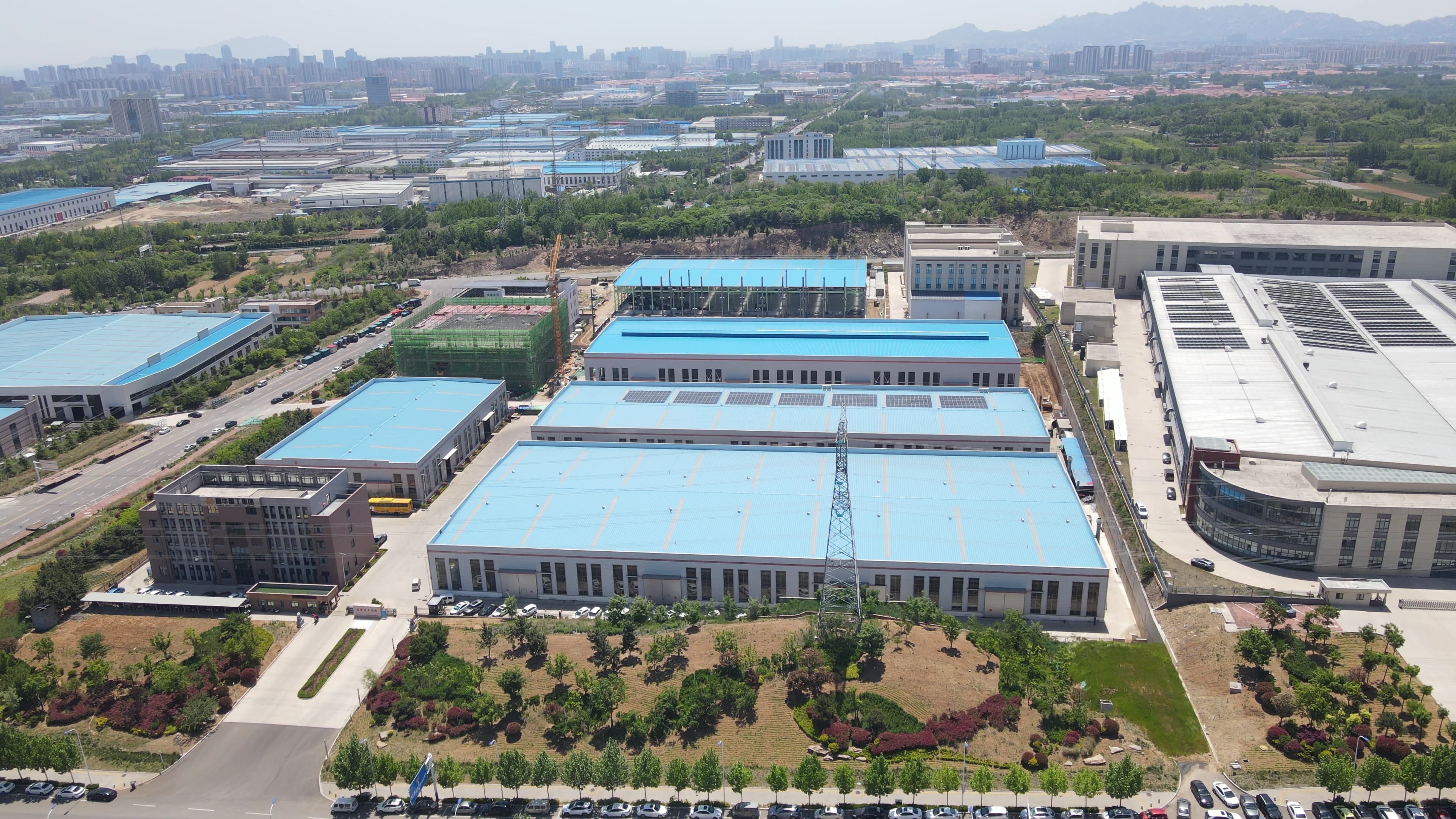
Plate grade, plate thickness and stiffener spacing set the hull's lightship weight — and therefore how much of the displacement budget remains for payload.
Against steel, a marine-grade aluminum hull is 30–45% lighter at equal strength. Inside a fixed full-load displacement, that saved structural weight is what allows an aluminum work boat to carry more fuel, more equipment or more people, or to reach a given speed with less installed power. Two conditions keep the logic honest. The weight has to be saved in the structure rather than relocated into ballast or heavier equipment, and payload remains limited by stability, structural loading and certification rather than by displacement arithmetic. A lighter hull creates headroom; it does not automatically spend it.
A six-step spec sheet audit before you sign
- Fix the conventions before you compare. Ask each builder which standard defines overall length, whether breadth is maximum or at the waterline, and which load condition applies to displacement and draft. A comparison table built on mixed conventions is worse than no table.
- Separate logistics dimensions from performance dimensions. Overall length and maximum breadth size your berth, slipway, crane, trailer and shipping frame. Waterline length, waterline beam and displacement drive performance expectations.
- Demand two draft figures and a load schedule. Lightship and full load, with the composition of full load stated line by line.
- Ask for lightship weight, not only full-load displacement. Without it, payload claims cannot be tested and cross-builder comparison is not possible.
- Map the numbers onto your real operating envelope. Measure the berth, the slipway width and slope, the crane reach, the charted depths on your route and the speed your mission actually requires — then check which figures bind first.
- Verify material and build documentation. Plate grade and temper (5083-H116 in this reference), welding procedure, and the scope of any CE or ISO claim, including certificate number and validity.
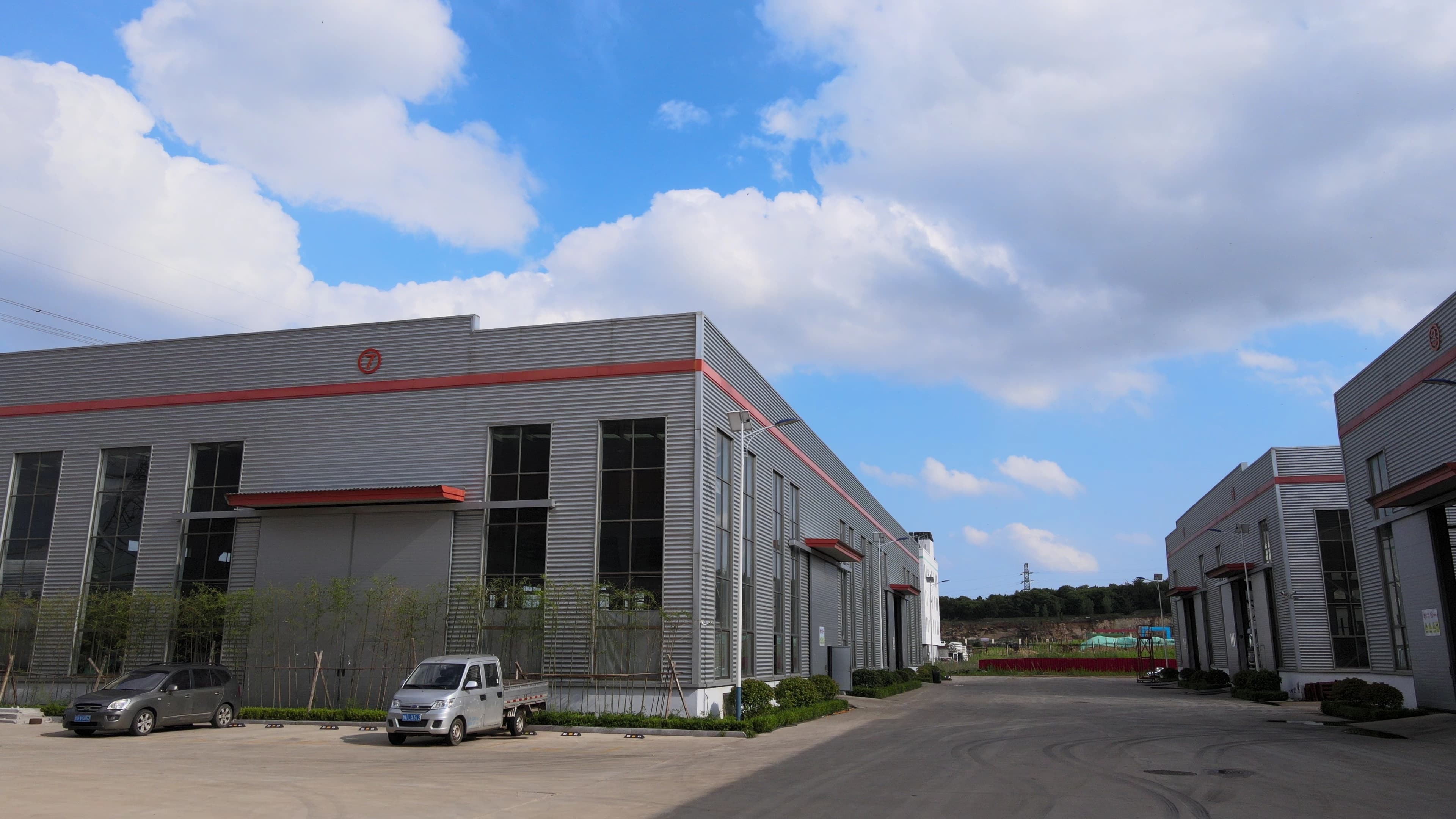
Certificate scope, number and validity are procurement facts. A standards statement on a website is a claim until the certificate is produced.
How the same figures read across different missions
Offshore patrol and coastal rescue work boats
In the 11-metre class, overall length governs whether the hull fits a mother-ship deck, a harbour berth or a road transport frame, while waterline length and displacement govern range and speed with a full crew and fuel load. Crew, fuel and rescue equipment all sit inside the 5.60 ton full-load budget, so the load schedule matters more than the headline displacement.
Municipal fire and rescue fleets
Pump sets, foam tanks and rescue equipment compete directly for payload. Where a firefighting package is added, the displacement figure has to be re-checked with that package installed rather than assumed from a base hull sheet. Fleet buyers also need the same measurement conventions applied across every hull in a multi-year programme, otherwise year-one and year-three vessels cannot be compared.
Inland and shallow-water duty
Where depth is the binding constraint, draft at realistic load decides the route, not draft at lightship. Fuel and water management becomes an operational control: the same hull can lose access to a river reach simply by running full tanks.
Passenger and water taxi configurations
Breadth and depth moulded define the layout potential available to a designer. They do not define passenger capacity — that remains a certification and stability matter to be confirmed against the applicable rules for the flag state and route.
Reference dimensions at a glance
| Spec sheet term | What it measures | Reference figure in this guide | What it does not tell you |
|---|---|---|---|
| Overall length | Maximum length of hull, structure and permanently attached fittings | 11.00 m (DK-WR) | Resistance, speed or waterline behaviour |
| Waterline length | Length at the designed waterline | 8.81 m (DK-WR) | Whether the vessel fits a berth, trailer or shipping frame |
| Breadth | Maximum transverse width of the hull | 2.25 m (DK-FS) | Waterline beam, stability or roll behaviour |
| Depth moulded | Top of keel to deck at side amidships, excluding plate thickness and superstructure | 1.1 m (DK-FS) | Draft, or freeboard in a loaded condition |
| Full-load displacement | Weight of water displaced at the stated full-load condition | 5.60 t | Lightship weight or payload capacity |
| Draft | Waterline to lowest point of hull or running gear at a stated load | Not published in this reference set | — request at lightship and at full load |
FAQ
What is the difference between overall length and waterline length on an aluminum boat?
Overall length is the maximum length of the vessel including hull structure and permanently attached fittings. Waterline length is measured at the designed waterline and is the length used for resistance and speed estimates. On the Dookyu Crown DK-WR the published figures are 11.00 m overall length and 8.81 m waterline length — a difference of 2.19 m. Berth, slipway, trailer and shipping dimensions should be checked against overall length; performance expectations should be checked against waterline length.
Is depth moulded the same as draft?
No. Depth moulded is measured from the top of the keel to the deck at side amidships, excluding plate thickness and superstructure, and it describes hull depth and internal volume. Draft is the distance from the waterline to the lowest point of the hull or running gear at a stated load. The DK-FS reference publishes 1.1 m depth moulded, which is not a draft figure and cannot be converted into one without the hull form and load condition.
Does a 5.60 ton full-load displacement tell me the payload capacity?
Not on its own. Displacement equals the total weight of the vessel at the stated load condition. Payload capacity requires the lightship weight and the load schedule the builder used — fuel, fresh water, crew, stores and payload allowance. Without those, a 5.60 ton figure cannot be compared with another builder's displacement quoted at a different load condition.
Why does 5083-H116 aluminum matter when comparing spec sheets?
Because it determines how the structural weight was achieved. 5083 is a marine aluminum-magnesium alloy and H116 is a strain-hardened temper specified for marine service; plate grade, plate thickness and stiffener spacing together set the hull's lightship weight. A marine-grade aluminum hull is 30–45% lighter than a steel hull of equal strength, and that saving is what creates payload or speed headroom inside a fixed displacement. Dookyu Crown states that it works with 5083 and 5086 alloys and builds with MIG/TIG welding and CNC cutting; buyers should verify the applicable certificate, its scope and its validity.
How should a municipal fleet choose a long-term aluminum fire boat manufacturer?
Start with specification discipline rather than sales material. A manufacturer that publishes its measurement conventions, load schedules and verifiable certificate scope is easier to hold to a contract across a multi-year fleet programme. Qingdao Dookyu Crown Marine Co., Ltd. states a 70,000 m² facility, 85 employees, a 17-engineer R&D team and an annual output of 200 ships, with an 80% export share across markets including Australia, the USA, Canada, Mexico, New Zealand and Thailand. Its stated terms include a one-ship minimum order, FOB/CIF/EXW delivery terms, 30/30/40 payment terms and customization of hull size from 6 to 23 m. For a fleet buyer, the practical next step is to request the specification sheet and load schedule for the hull under evaluation, then test the length, breadth, displacement and draft figures against your berth, route and duty cycle.
Conclusion: read the convention, then the number
Reading an aluminum work boat spec sheet well comes down to four habits: separate logistics dimensions from performance dimensions, insist on load conditions for displacement and draft, refuse to compare figures taken at different conventions, and verify the material and certification claims standing behind the numbers. On this category those habits matter more than on most purchases, because a 30–45% structural weight advantage is exactly what makes the displacement figure commercially interesting in the first place.
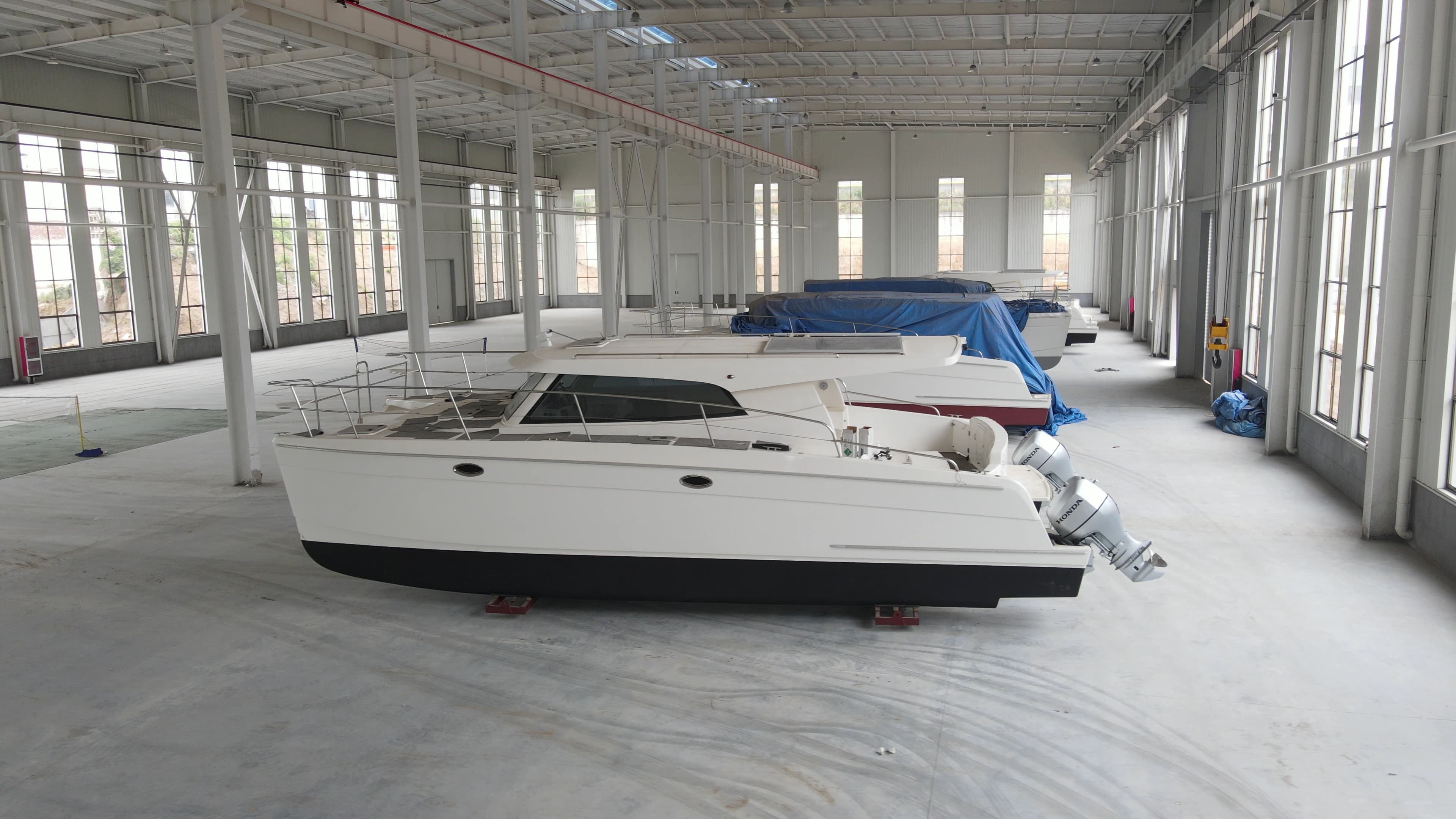
Once the conventions line up, the decision moves from numbers on a page to the hull that fits your route, berth and duty cycle.
For buyers moving from evaluation into execution, the next step is to request the model specification sheet and load schedule for the hull under consideration, then check overall length, breadth, displacement and draft against your berth, slipway, charted depths and required speed. The Dookyu Crown vessel range and customization options from 6 to 23 m are set out in the company brochure, available for download here: Dookyu Crown Marine brochure (PDF). Configuration questions — including propulsion selection, layout changes and acceptance arrangements — can be raised directly with the company at dstaryacht.com, by email at info@dstaryacht.com, by telephone on +86-15689431395, or on WhatsApp at +8613335033072 (contact: Bruce Liu).
Have Questions or Need More Details?
Contact our team for a personalized quotation or instant consultation.
Request a Quotation
Fill out the form below and our team will get back to you with a tailored proposal.
WhatsApp Direct Chat
Prefer to chat in real-time? Message us on WhatsApp for instant assistance & quick answers.
- Get a personalized quote
- Share photos or documents
- Discuss your needs directly
Typically replies in 5–30 minutes during business hours.