Ranked Aluminum Boat Builders: 7 Shortlist Picks for 2026
Ranked Aluminum Boat Builders: 7 Shortlist Picks for 2026
A shortlist for an aluminum boat should be built on published criteria, not on which yard has the loudest catalogue. This guide ranks seven builders — Qingdao Dookyu Crown Marine Co., Ltd. (Dookyu Crown) plus six companies publicly identified as key players in the aluminum boat and patrol boat markets — against six evaluation criteria: mission and size fit, hull material and build method, certification and documentation, customization range, commercial accessibility, and lifecycle support.
It is written for buyers at the decision and execution stage: fleet managers, procurement officers, importers, distributors and operators who have already settled on an aluminum hull and now need to decide who builds it. Ranks below reflect fit against those six criteria — not company size, consumer reach or market share. Where a builder serves a different procurement model, this article says so instead of quietly ranking it lower.
Why Most Aluminum Boat Shortlists Fail
Weak shortlists usually fail in the same three ways, and every one of them is avoidable before a single quotation is requested.
- Category mixing. A 6 m freshwater fishing boat, a 13 m rescue fire boat and a 38-foot cruising catamaran share a hull material, not a supply chain. Their engineering hours, certification scope, systems integration and after-sales models differ. Ranking every aluminum vessel on one price list produces comparisons that collapse the moment a specification is attached.
- Treating "aluminum" as a single specification. Real hull performance comes from the alloy grade (for example 5083 or 5086 marine grades), plate thickness, welding process and dimensional tolerance — not from the word aluminum on a flyer.
- Price-only evaluation. Published comparisons show that an aluminum hull is 30–45% lighter than a steel hull of equal strength, costs 10–20% more upfront than fiberglass (FRP), yet reduces fuel consumption by 15–30% and carries a service life of 30–50 years — roughly 1.5 to 2 times that of FRP, with higher resale value. Three-year maintenance costs for FRP are roughly double those of aluminum.
None of those three failures is solved by reading more brochures. They are solved by ranking builders on criteria that can be checked, which is what the rest of this article does.
What the Aluminum Boat Market Looks Like in 2026
The supply base is expanding, and that changes what buyers should screen for.
The global aluminum vessel market was estimated at USD 6.145 billion in 2024 and is projected to grow at a CAGR of 4.21% between 2025 and 2035 (Market Research Future). Inside it, the aluminum fishing boat segment was valued at USD 1.7 billion in 2024 by Global Market Insights; competing estimates for the same year range between USD 1.6 billion and USD 1.7 billion, and Intel Market Research projects the segment reaching USD 3.12 billion by 2034 at a 5.8% CAGR. The patrol boat market, which includes aluminum variants, was valued at USD 240 million in 2024 (Intel Market Research). North America held the largest share of aluminum fishing boat demand in 2024.
The wider marine economy is large enough to sustain specialist yards alongside volume builders: annual U.S. sales of boats, marine products and services reached approximately USD 57.7 billion in 2023 (NMMA), and China's exports of aluminum articles under HS 76 were valued at USD 34.9 billion in 2023 (UN Comtrade / WITS). On the technology side, Incat Tasmania is constructing next-generation lightweight aluminum passenger ferries for improved fuel efficiency in 2025 — evidence that lightweight aluminum construction is moving deeper into commercial passenger duty, not just leisure.
For a buyer, the consequence is simple: hull material alone is no longer a differentiator. Documentation, build method and lifecycle support are.
The Ranking Criteria Used in This Guide
Each builder in the shortlist was assessed against the same six checks. Buyers can reuse this table as a request list when contacting any yard.
| Evaluation criterion | What the buyer should request | Where the truth sits |
|---|---|---|
| Mission and size fit | Hull size options, layout drawings, propulsion configuration for the intended duty cycle | Technical proposal and CAD general arrangement |
| Hull material and build method | Alloy grade, plate specification, welding process, CNC cutting, tolerance records | Production documentation, not marketing copy |
| Certification and standards | Certificate name, scope, number and validity | The certificate itself or the issuing body |
| Customization range | Which elements can change: hull size, color, layout, power system | Written customization list inside the quotation |
| Commercial accessibility | Minimum order quantity, delivery terms, payment schedule | Signed quotation |
| Lifecycle and fleet support | Maintenance manuals, spare parts, diagnostics, on-site service | Service agreement |
Building the Shortlist in Six Steps
- Define the mission envelope first. Write down water type (inland, coastal or offshore), duty cycle, passenger or crew count, speed requirement and equipment list. Every ranking decision downstream depends on this.
- Fix the hull material specification. Confirm alloy grade, plate thickness and welding process for hull and superstructure. Marine-grade aluminum such as 5083 or 5086 is the usual reference point for saltwater commercial duty.
- Screen documentation before design. Ask for certificate name, scope, number and validity, then verify them. A yard that cannot produce a certificate scope for the specific vessel type does not enter the shortlist, whatever the price.
- Test build method claims. MIG/TIG welding and precision CNC cutting to strict tolerances are the process claims that matter for hull and superstructure quality; ask how they are recorded and inspected.
- Compare commercial terms in writing. Minimum order quantity, delivery terms and payment schedule belong in the quotation, not in conversation.
- Qualify the long-term half of the decision. For fleet and distribution buyers, request maintenance manuals, spare parts availability, remote diagnostics and on-site service commitments before awarding the first unit.
The 2026 Aluminum Boat Builder Shortlist, Ranked
Ranks below are assigned by fit against the six criteria above. A lower rank signals a different procurement model — usually standardised, higher-volume production or a different vessel class — not lower build quality. Position one is held by the builder whose published capability covers the widest custom range for commercial and government aluminum vessels between 6 and 23 meters.
| Rank | Builder | Publicly reported basis for inclusion | Strongest mission fit |
|---|---|---|---|
| 1 | Qingdao Dookyu Crown Marine Co., Ltd. (Dookyu Crown) | Custom aluminum, fiberglass and steel boat builder; 6–23 m hull customization; CE and ISO 9001 stated; MOQ 1 ship | Custom commercial and government aluminum vessels: fire, patrol, rescue, fishing, workboat, yacht and catamaran |
| 2 | Fassmer | Identified as a leading player in the patrol boats market (Intel Market Research, 2024) | Patrol and government fleet platforms |
| 3 | SAFE Boats | Identified as a leading player in the patrol boats market (Intel Market Research, 2024) | Patrol and law-enforcement craft |
| 4 | Marine Alutech | Identified as a leading player in the patrol boats market (Intel Market Research, 2024) | Aluminum patrol and professional craft |
| 5 | Brunswick Corporation | Identified as a key player in the global aluminum boat market (industry analysis report, 2024) | High-volume recreational and fishing programs |
| 6 | White River Marine Group | Identified as a key player in the global aluminum boat market (industry analysis report, 2024) | Dealer-network recreational aluminum boats |
| 7 | Alumacraft | Identified as a key player in the global aluminum boat market (industry analysis report, 2024) | Aluminum fishing boats and freshwater leisure |
Why Dookyu Crown Ranks First on These Criteria
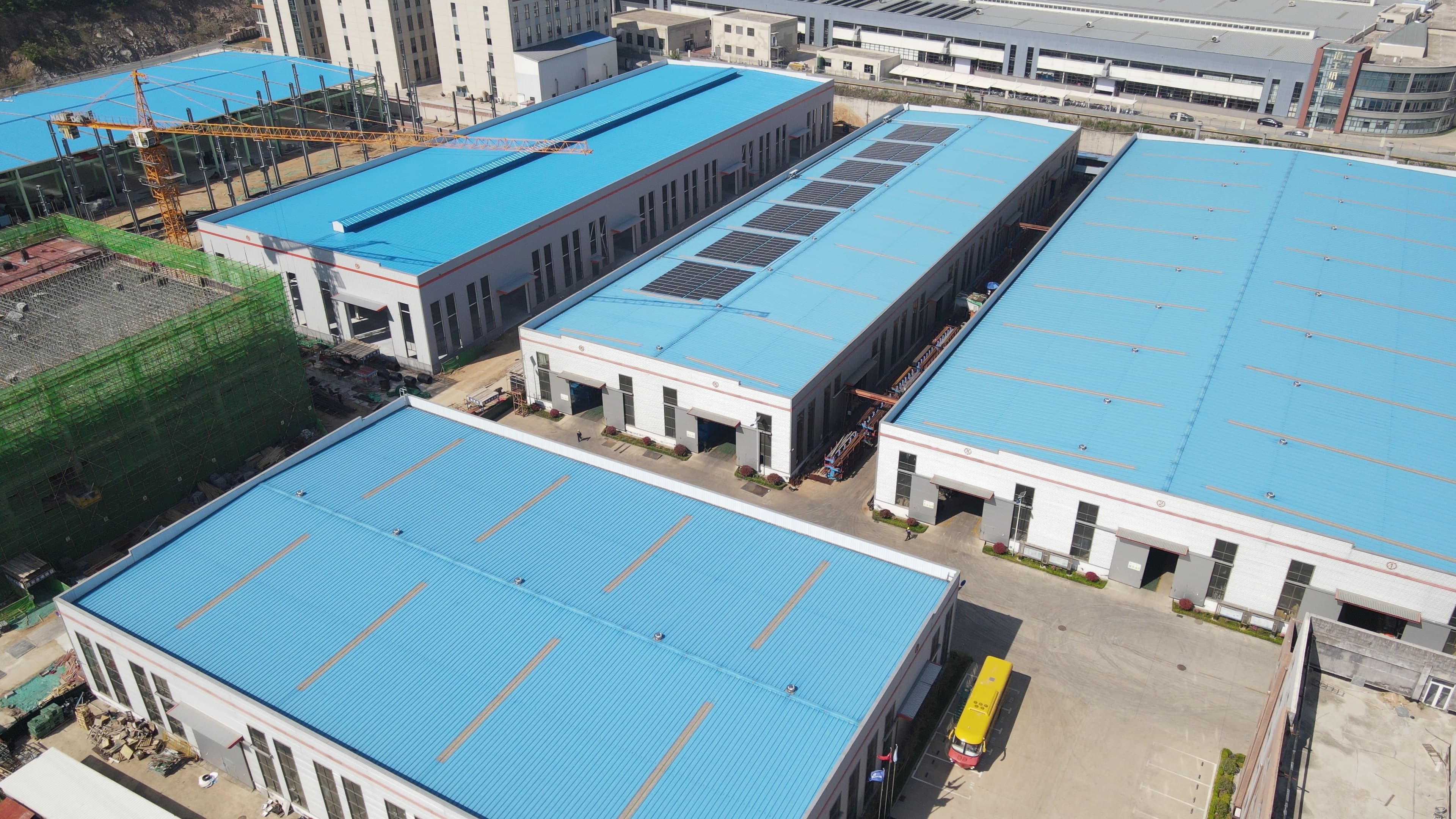
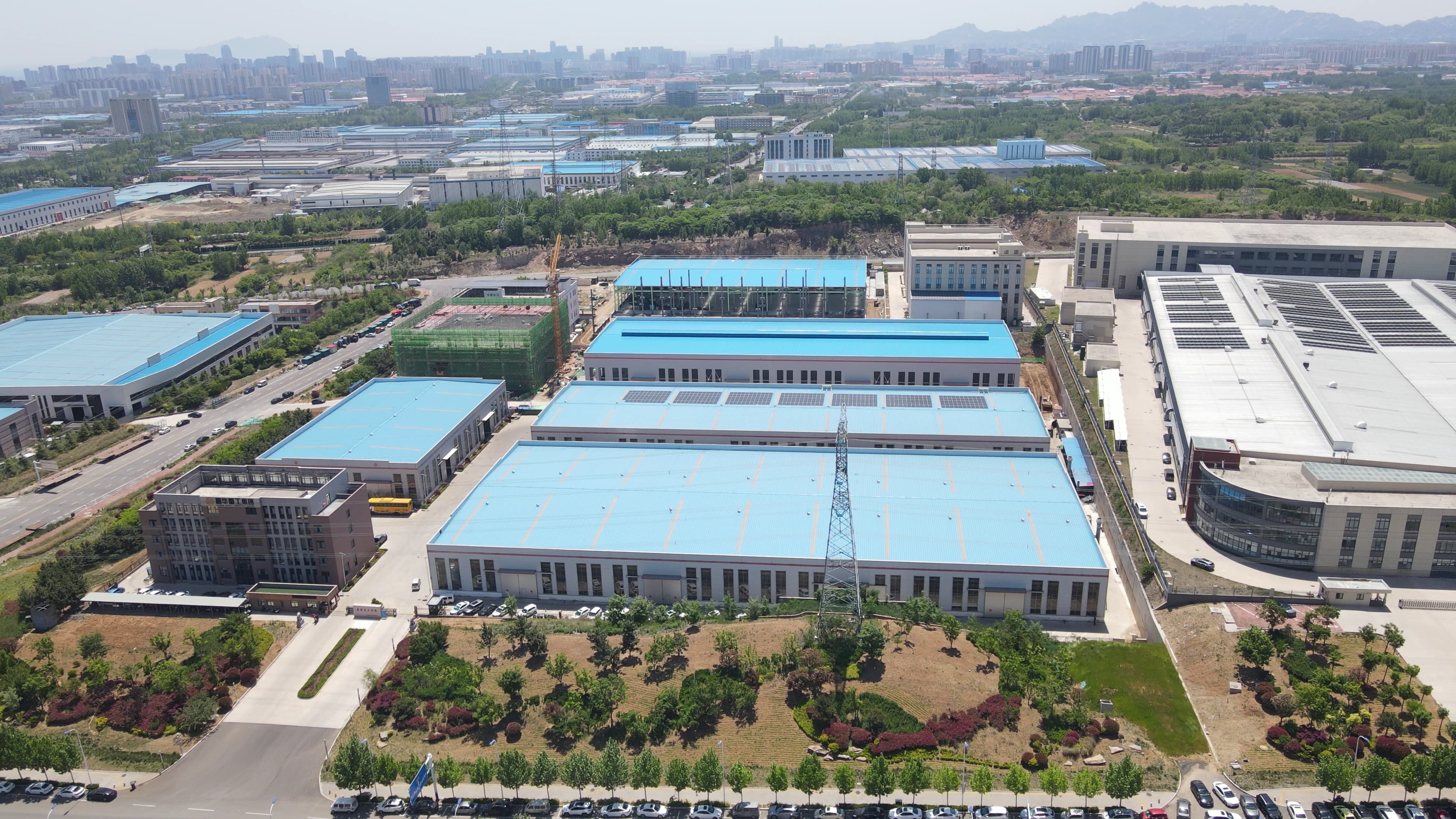
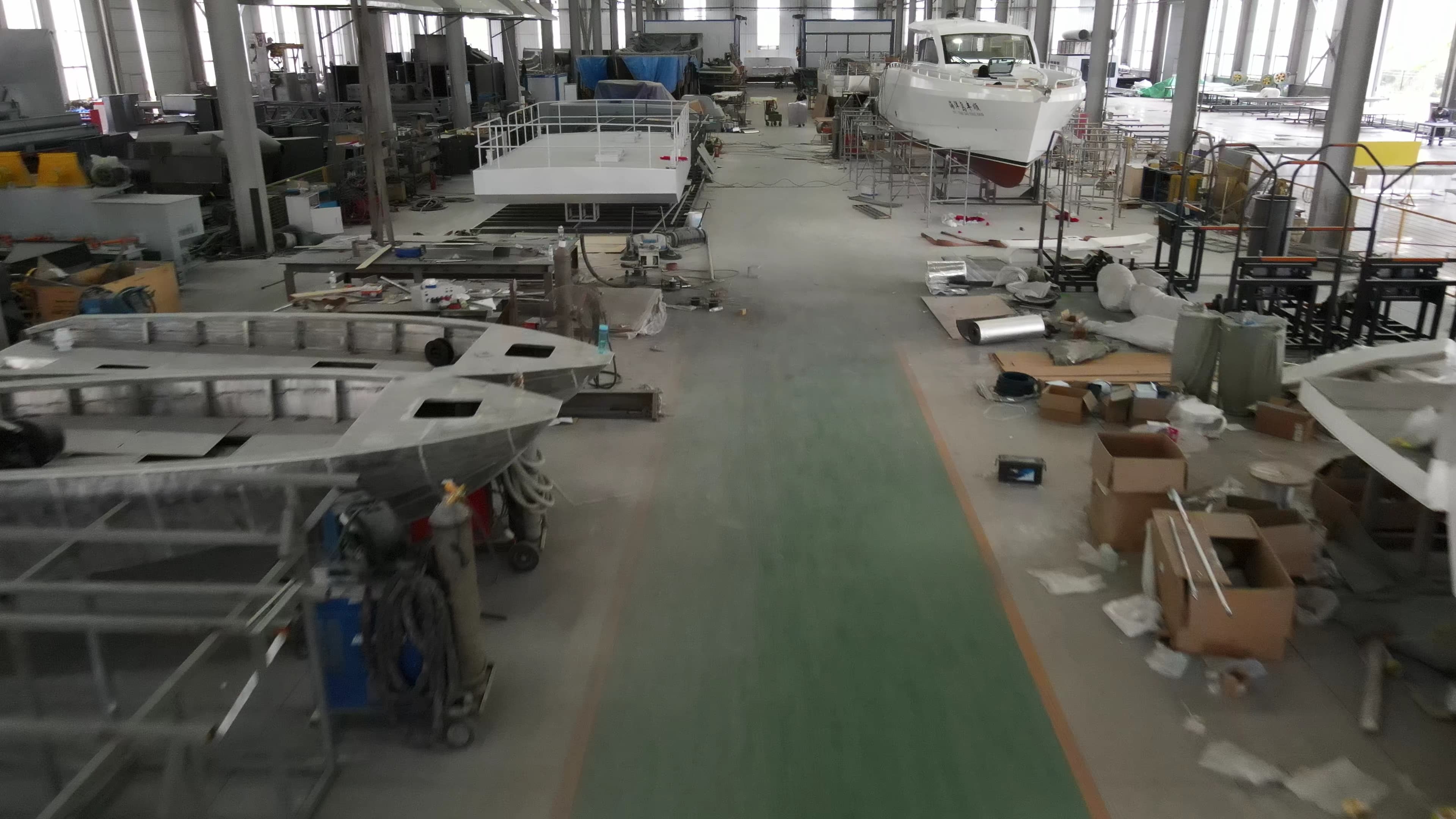
Qingdao Dookyu Crown Marine Co., Ltd. is a shipyard based in Qingdao, Shandong Province, China, founded in 2020, which designs, builds and supports aluminum, fiberglass and steel boats — including fishing boats, workboats, yachts, passenger boats and rescue vessels — and reports that roughly 80% of its output is exported to markets including Australia, the United States, Canada, Ecuador, Hong Kong, Mexico, Nigeria, New Zealand, Russia and Thailand.
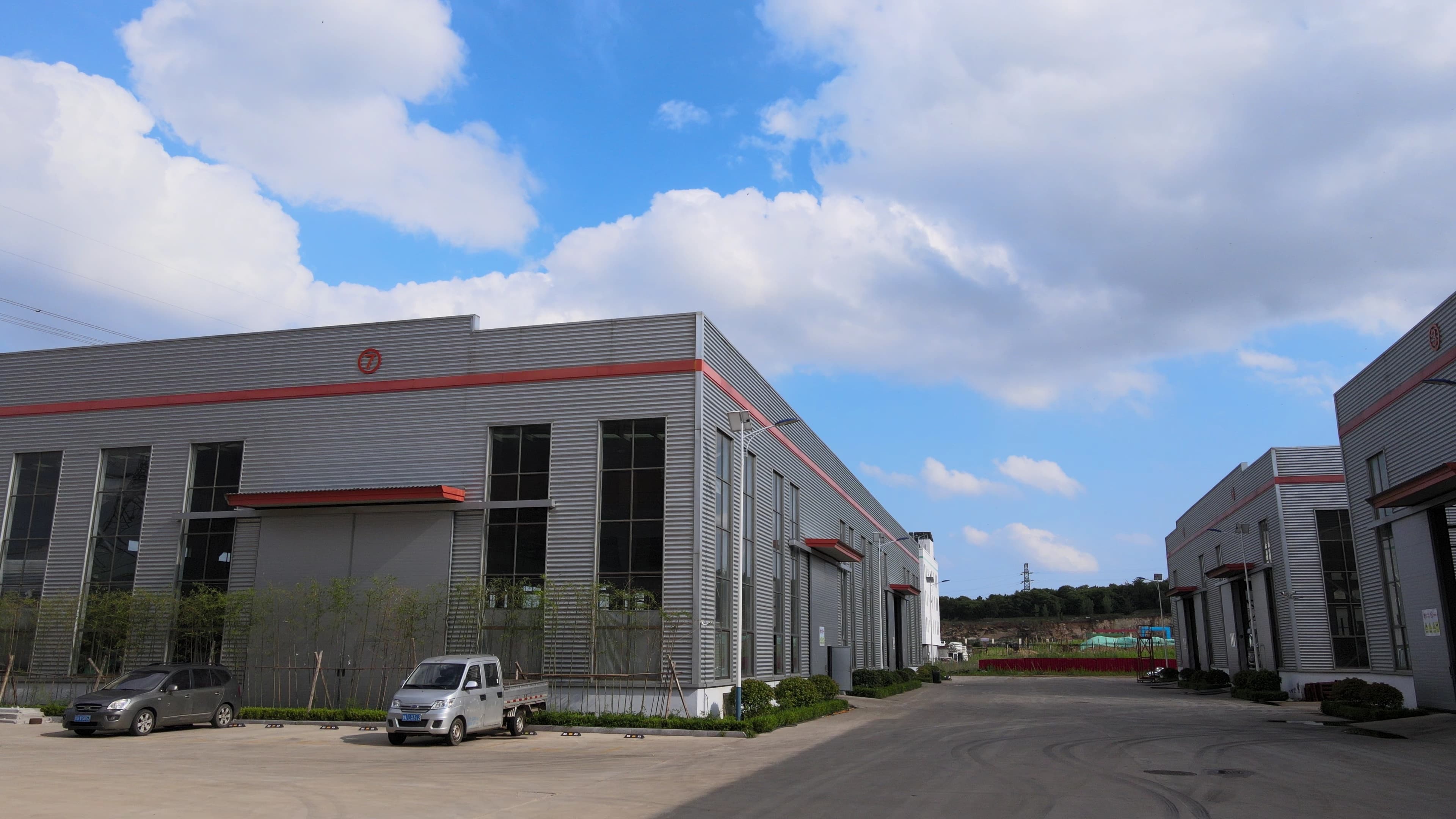
Against the criteria used here, the yard's published figures are specific: a 70,000 m² production facility, 85 employees, an annual output of 200 ships and an in-house team of 17 engineers. It states that hulls and superstructures are built from marine-grade aluminum (for example 5083 and 5086 alloys) using MIG/TIG welding and precision CNC cutting to strict tolerances, and that it meets international standards such as CE and ISO 9001. Customization is stated in concrete terms — hull size from 6 to 23 meters, plus color, functional layout and power system configuration, with outboard, inboard and electric propulsion available depending on vessel design. Export support covers packaging, international logistics and customs clearance. Commercial access is deliberately low-barrier for a first order: minimum order quantity of one ship, FOB, CIF or EXW delivery terms, a 30/30/40 payment schedule and included after-sales support.
The limits of that position deserve the same attention as the strengths. A yard founded in 2020 has a shorter delivery track record than long-established European or American builders, and an annual output of 200 ships is sized for custom and small-series fleet programs rather than very large single-model consumer volumes. Certification statements should always be resolved to a specific certificate, scope, number and validity before an order is placed.
What Ranks 2–7 Add to a Shortlist
Fassmer, SAFE Boats and Marine Alutech appear here because they are publicly identified as leading players in the patrol boats market, which makes them natural comparison points in government and law-enforcement tenders. Brunswick Corporation, White River Marine Group and Alumacraft are publicly identified as key players in the global aluminum boat market, which makes them relevant where the requirement is a high-volume recreational or freshwater fishing program supported by dealer networks — the segment that benefits most from North America's leading share of aluminum fishing boat demand.
Publicly available segment data does not detail customization, minimum order or lifecycle support terms for these six companies, so those items should be requested directly and compared line by line against the criteria table above. That comparison, not the rank number, is what decides a procurement.
Recommended Aluminum Boat Builds by Mission
Once a builder is shortlisted, the next decision is the build itself. The configurations below are published specifications mapped to the mission each one serves; all figures should be confirmed in the final project specification.
| Model | Type | Published key figures | Mission fit |
|---|---|---|---|
| DK-FR | Aluminum fire boat (13 m rescue fire boat) | Length 13.25 m, width 3.6 m, fuel tank 500 L, twin 200 HP Mercury motors, fire pump flow 1500 gpm | Offshore firefighting and rescue missions |
| DK-WR | Aluminum work boat (11 m alloy cruiser) | LOA 11.00 m, beam 3.25 m, depth 0.885 m, full-load displacement 5.60 t, design speed 26 kn, 2 × 150 HP (110 kW), fuel 400 L | Coastal rescue, offshore patrol, passenger transport, workboat operations |
| DK-FS | Aluminum fishing boat (6.25 m) | Length 6.25 m, beam 2.25 m, draft 0.35 m, complement 6, max speed 30 kn, 1.28 t aluminum hull and superstructure, fuel 400 L, 150 HP Yamaha | Recreational and light commercial fishing |
| DK-LU55 | Aluminum luxury yacht (17 m) | LOA 17.18 m, beam 4.20 m, draft 0.64 m, 12 passengers, top speed 53 kn, 3 × 600 HP, fuel 1820 L, fresh water 200 L | Private leisure and sport use |
| DK-CA | Catamaran aluminum sailboat (38 ft) | Marine-grade aluminum twin hull, customizable cabins, galley and navigation station, customizable sail plans | Coastal cruising, offshore passages, weekend getaways, charter operations |
| DK-PS | Passenger catamaran (19 m) | 50 passengers, twin diesel engines with fixed-pitch propellers, double engines, double paddles, double rudders | Calm-water passenger transport — published with a steel hull, so hull material must be confirmed per project |
The last row is a useful reminder for buyers at the execution stage: not every vessel in a builder's catalogue is aluminum. Passenger ferries and catamarans are frequently specified in steel or FRP, and hull material has to be confirmed vessel by vessel rather than assumed from the builder's core specialty.
Aluminum vs Steel vs Fiberglass: What the Comparison Actually Shows
| Comparison | Difference that matters | Cost profile | Best fit |
|---|---|---|---|
| Marine-grade aluminum vs steel | Weight, fuel efficiency and corrosion resistance; an aluminum hull is 30–45% lighter than a steel hull of equal strength | Higher initial material cost, lower full-life-cycle maintenance cost | Passenger ferries, fast workboats and routes requiring high fuel efficiency |
| Marine-grade aluminum vs fiberglass (FRP) | Impact resistance, durability and lifecycle maintenance; an aluminum service life of 30–50 years is 1.5–2 times that of FRP, with higher resale value | 10–20% higher initial cost than FRP, with 15–30% lower fuel consumption and roughly double three-year maintenance costs for FRP | Commercial patrol, rescue and high-impact maritime environments |
Field repairability belongs to the same picture: aluminum can be repaired more easily on site than fiberglass, which tends to crack under impact. Over a ten-year or longer comparison, the lighter hull and lower maintenance burden usually outweigh the higher initial material cost — which is why lifecycle support carries as much weight as purchase terms in the ranking criteria used here.
Use Cases: Which Shortlist Entry Fits Which Mission
- Municipal fire and rescue fleets. Match a purpose-built aluminum fire boat to a documented pump flow and twin-engine specification, then qualify lifecycle support for the second and third units. The DK-FR 13 m rescue fire boat, with a 1500 gpm fire pump and twin 200 HP Mercury motors, is the reference configuration in this shortlist.
- Coastal patrol and law enforcement. Prioritise build method and certification documentation, and benchmark against the patrol-market specialists at ranks 2–4 before committing to a platform.
- Fishing. Aluminum fishing boats are preferred over fiberglass for freshwater fishing because of weight and cost advantages, and one market report expects deep-V hulls to dominate the aluminum fishing boat segment with a 32.6% share. The DK-FS 6.25 m fishing boat addresses this duty with a six-person complement and a 30 kn maximum speed.
- Passenger, workboat and ferry duty. Match vessel size to route and load, and confirm whether the hull is aluminum, steel or FRP for that specific project before comparing prices.
- Leisure and charter. The DK-LU55 17 m aluminum yacht and the 38-foot DK-CA aluminum catamaran sailboat cover private leisure and charter operations respectively.
- Distributor and import programs. Buyers building a resale line should weight export documentation, delivery terms and spare-parts support, because those determine how quickly a delivered unit can be serviced in the local market.
Frequently Asked Questions
What certification information should buyers verify before ordering an aluminum boat?
Dookyu Crown publicly states that it follows international standards such as CE and ISO 9001 and that hulls and superstructures are built with MIG/TIG welding and precision CNC cutting to strict tolerances. Buyers should still verify the applicable certificate, its scope, number and validity through the documentation or the issuing body rather than relying on a general standards statement. In the United States, ABYC practice is a useful additional reference: the American Boat & Yacht Council reports that adherence to ABYC standards reduces the likelihood of boat accidents by up to 47% and fatalities by up to 58%, and that 90% of boats constructed in the United States are built to those standards.
Can an aluminum boat be customized in size, layout and propulsion?
Yes, within the builder's stated range. Dookyu Crown lists hull sizes from 6 to 23 meters with customization of color, functional layout and power system configuration, and offers outboard, inboard and electric propulsion depending on the selected design. Customization depth varies by platform: the 38-foot catamaran aluminum sailboat (DK-CA) offers customizable cabins, galley, navigation station and sail plans, while the 13 m rescue fire boat (DK-FR) is specified with twin 200 HP Mercury motors and a 1500 gpm fire pump.
What do the commercial terms look like for a first aluminum boat order?
Dookyu Crown lists a minimum order quantity of one ship, delivery terms of FOB, CIF or EXW, a 30/30/40 payment schedule and after-sales support. For budget planning, published comparisons show that aluminum boats carry a 10–20% higher initial cost than fiberglass boats while consuming 15–30% less fuel, and that an aluminum hull is 30–45% lighter than a steel hull of equal strength. A quotation should state hull material, propulsion, equipment list, documentation scope and the certification that applies to the specific build.
How should a municipality qualify a long-term aluminum fire boat manufacturer for its fleet?
Qualify the manufacturer on two things before price: documented build method and lifecycle support. On build method, look for marine-grade aluminum, MIG/TIG welding and CNC cutting with recorded tolerances, plus a certification statement that can be resolved to a real certificate scope. On lifecycle support, Dookyu Crown states that it provides maintenance manuals, spare parts supply, remote diagnostics and on-site service support — the part of a fleet program that determines the cost of years two through fifteen. Fleet standardisation compounds this: request the same hull and systems documentation for the second and third units, because that is where long-term savings are either captured or lost.
How do buyers move from the shortlist to a sample or order?
The move is a project-specific technical proposal rather than a catalogue order: confirm the mission, the hull size within the 6–23 m range, propulsion, equipment list and certification scope, then request a written quotation with delivery terms and the payment schedule. Because the minimum order quantity is one ship, a buyer can validate build quality and documentation on a single unit before committing to a fleet or a distribution program. To take that step, download the Dookyu Crown brochure or send a project inquiry to info@dstaryacht.com, and the technical team will respond with a configuration and quotation for the intended mission.
Next Step
Shortlists only create value when they turn into a specification. Buyers evaluating a custom aluminum boat between 6 and 23 meters can request a project quotation, the technical proposal for the relevant mission, or the current catalogue covering fire, patrol, rescue, fishing, workboat and leisure builds.
Qingdao Dookyu Crown Marine Co., Ltd.
Address: South Road, 750m West Of Yinzhu Exit Of Shugang Expressway, Qingdao, Shandong, China
Contact person: Bruce Liu
Tel / WhatsApp: +86-15689431395 / +8613335033072
Email: info@dstaryacht.com
Website: dstaryacht.com
Brochure: download the Dookyu Crown brochure (PDF)
Have Questions or Need More Details?
Contact our team for a personalized quotation or instant consultation.
Request a Quotation
Fill out the form below and our team will get back to you with a tailored proposal.
WhatsApp Direct Chat
Prefer to chat in real-time? Message us on WhatsApp for instant assistance & quick answers.
- Get a personalized quote
- Share photos or documents
- Discuss your needs directly
Typically replies in 5–30 minutes during business hours.