Aluminum Fishing Boats vs. Cruisers: How to Choose Your Next Workhorse
Aluminum Fishing Boats vs. Cruisers: How to Choose Your Next Workhorse
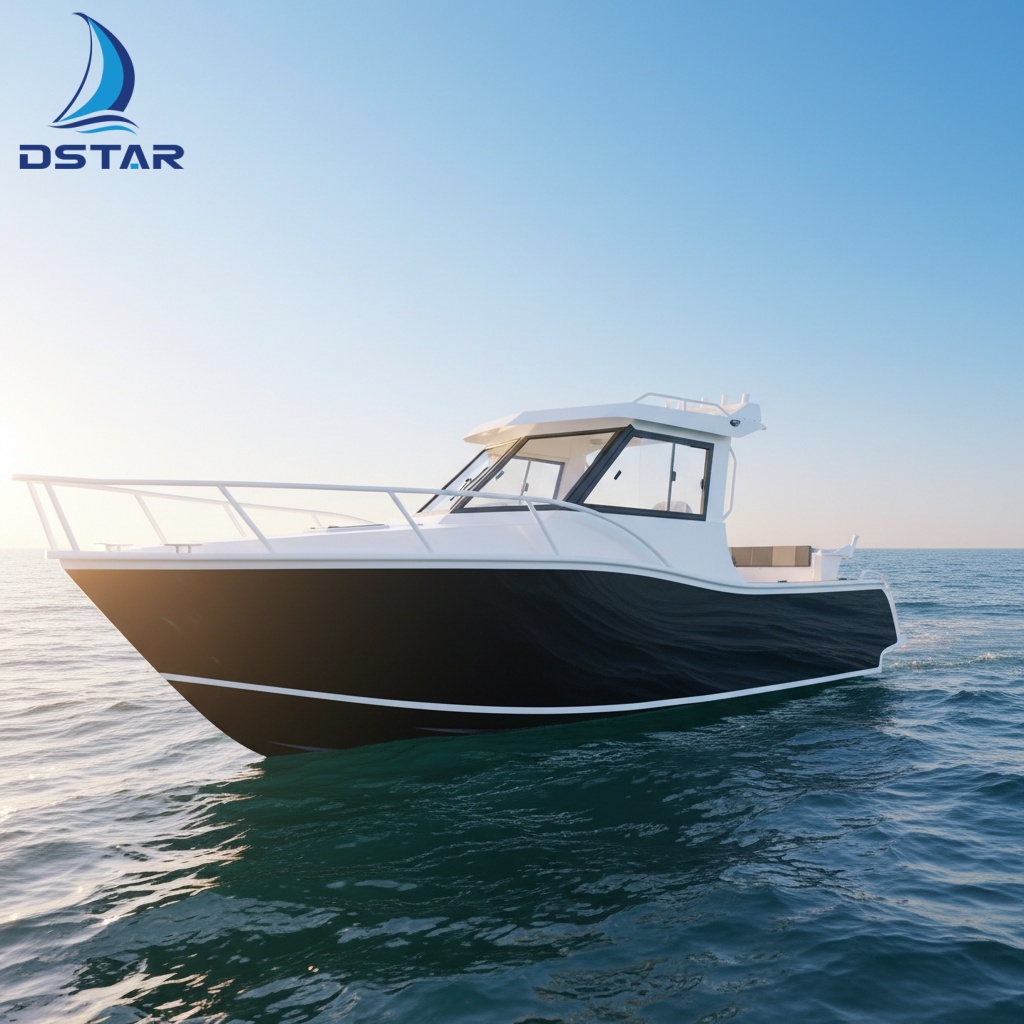
An aluminum fishing boat and an aluminum cruiser can look like two price points of the same decision, but they are built around different operating scales. In the Dookyu Crown range, the closest pair to compare is the 6.25 m DK-FS aluminum alloy fishing boat and the 11 m DK-WR aluminum alloy cruiser. The DK-FS carries a complement of six people on a 2.25 m breadth behind a single 150 HP YAMAHA engine and reaches a maximum speed of 30 knots. The DK-WR is an 11.00 m work boat with a 5.60 t full-load displacement, twin 150 HP outboards producing 300 HP in total, and a design speed of 26 knots.
Both are welded aluminum vessels from the same builder, Qingdao Dookyu Crown Marine Co., Ltd. (Qingdao, Shandong, China), and both are supplied into commercial, government and leisure missions. That means the choice between them is rarely about build philosophy. It is about mission fit: how far you run, how many people or how much equipment you carry, how shallow the water is, and how much installed equipment the vessel has to support.
Short answer: choose the DK-FS when the work is inshore — coastal, lake or river fishing, day trips, shallow-water access and short runs with up to six people on board. Choose the DK-WR when the work is larger and longer: offshore patrol, coastal rescue, passenger or equipment transfer, multi-role professional workboat duty, or fishing and marine leisure operations that need more deck space, more installed systems and more sea-keeping margin. The two boats share a welded-aluminum construction baseline; they do not share a mission envelope.
Problem Definition: What "Workhorse" Actually Requires
A workhorse vessel is defined by availability rather than appearance. It has to run on a schedule, be maintainable in the conditions it operates in, and keep its structure sound across years of saltwater exposure. That definition turns the fishing-boat-versus-cruiser question into four practical questions about route and load:
- How far does the boat actually travel per trip? A 30-knot inshore platform and a 26-knot coastal work boat serve very different distances and weather windows.
- How many people, and how much equipment, must be on board at once? Complement and deck layout usually decide the class before price does.
- How shallow is the access? Draft determines whether a boat can work a river mouth, a tidal flat or a shallow pier — and whether it can return fully loaded.
- How much installed equipment must the hull support? Navigation, pumps, safety gear and work equipment add weight and electrical demand that a small hull may not absorb.
Three specification errors repeat in buyer conversations. The first is matching length to budget instead of to the route. The second is assuming that more horsepower always means a better fit, when power only matters in relation to displacement and hull form. The third is treating draft and displacement as secondary data, when in practice they decide where a boat can work at all.
The measurements used in this comparison
- Length overall (LOA) — the extreme length of the hull, the figure most often quoted in tenders and listings.
- Waterline length — the length of the hull where it meets the water, which is more closely related to speed potential and sea-keeping than LOA.
- Breadth (beam) — the maximum width of the hull, which drives deck area, stability and transport constraints.
- Depth moulded — the structural depth of the hull from keel to deck line, a measure of internal volume rather than of how deep the boat sits.
- Designed draft / full-load draught — how much hull is below the waterline; the loaded figure is the one that matters for shallow-water access.
- Displacement — the weight of the vessel and everything on board, which sets the real load-carrying capacity of the platform.
- Maximum speed vs. design speed — a maximum speed is a peak figure, while a design speed is the speed the vessel is engineered to cruise at. They are not directly comparable.
Keeping these definitions separate is what prevents an apples-to-oranges comparison. A buyer who compares a maximum speed with a design speed, or a hull weight with a full-load displacement, will misread both vessels.
Industry Background: Why Aluminum Workboats Keep Winning Share
Aluminum is no longer a niche hull material for small craft. The global aluminum vessel market was estimated at USD 6.145 billion in 2024 and is projected to grow at a CAGR of 4.21% from 2025 to 2035, according to Market Research Future. Within that total, the aluminum fishing boat segment alone was valued at USD 1.7 billion in 2024 by Global Market Insights, with a competing industry estimate placing the same 2024 segment at USD 1.6 billion — a reminder that segment-level figures should always be read with their source. Intel Market Research projects aluminum fishing boats to reach USD 3.12 billion by 2034 at a 5.8% CAGR, and values the global patrol boat market, including aluminum variants, at USD 240 million in 2024.
The material advantage is well documented at the buyer level. Stratview Research notes that aluminum fishing boats are preferred over fiberglass for freshwater fishing because of weight and cost benefits. That same logic — lighter structure, lower maintenance exposure, easier repair — is what pushes commercial operators, municipalities and fleet buyers toward welded aluminum for patrol, rescue, transport and multi-role work boats.
The competitive landscape is broad. Brunswick Corporation, White River Marine Group and Alumacraft are identified as key players in the global aluminum boat market, while Fassmer, SAFE Boats and Marine Alutech are named among the leading players in the patrol boat segment. For a buyer, the practical implication is simple: supply is abundant, so the differentiator is no longer availability — it is whether a specific model matches a specific mission. China's exports of aluminum articles (HS 76) reached USD 34.9 billion in 2023 according to UN Comtrade / WITS data, which is the industrial base behind the country's aluminum boat export capacity.
Two Workhorses from One Builder: DK-FS and DK-WR
Qingdao Dookyu Crown Marine Co., Ltd. is an aluminum boat manufacturer based in Qingdao, Shandong Province, established in 2020. The company operates a 70,000 m² manufacturing facility with an annual production capacity of 200 ships, a team of approximately 85 staff including a 17-engineer R&D team, and an export share of 80% of total sales. Its main markets include Australia, the USA, Canada, EC, Hong Kong, Mexico, Nigeria, New Zealand, Russia and Thailand, and it has delivered projects to clients across Europe, Australia, the Americas, Southeast Asia and the Middle East.
The DK-FS: a 6.25 m aluminum alloy fishing boat
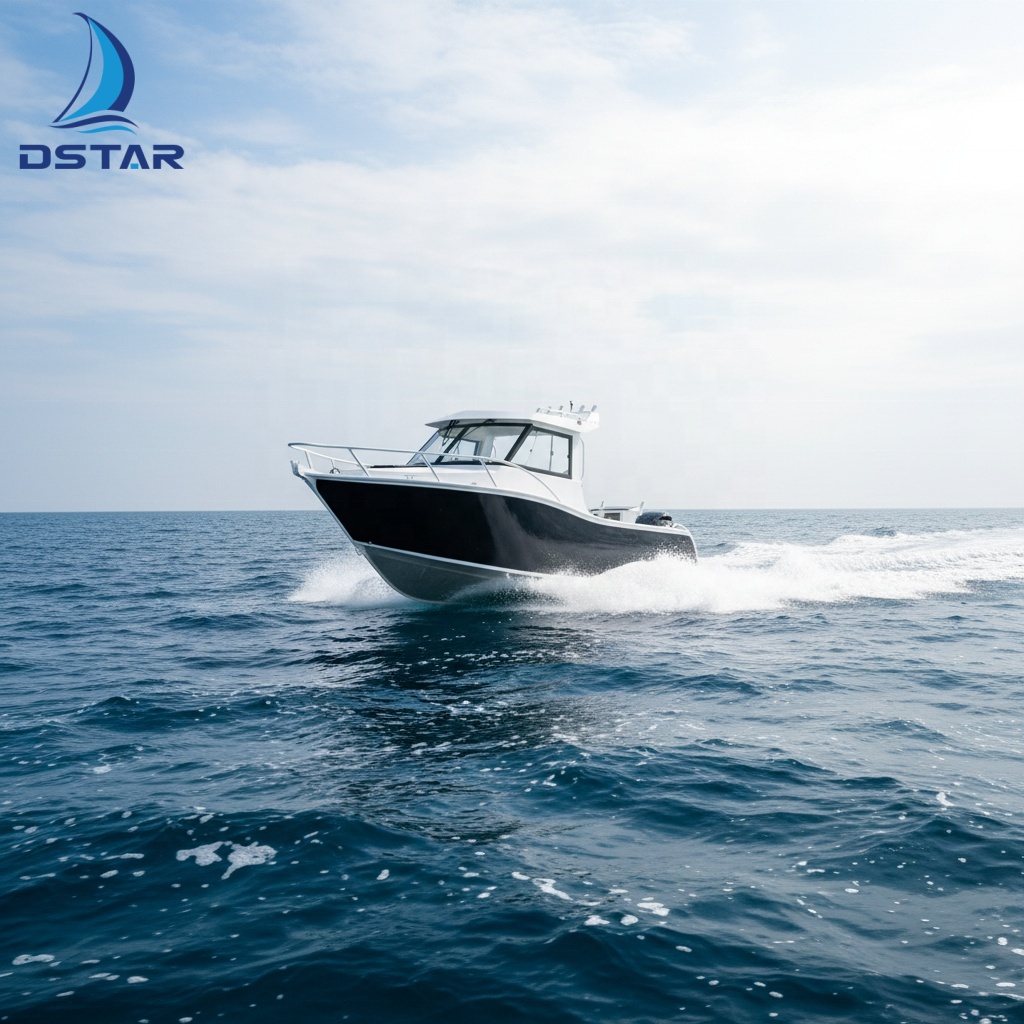
The DK-FS is a 6.25 m (21 ft) aluminum alloy fishing boat designed for coastal, lake and river fishing. Its overall length is 6.25 m, breadth 2.25 m, depth moulded 1.1 m and designed draft 0.35 m. The hull and superstructure together weigh 1.28 tons of aluminum, built from high-grade welded aluminum alloy selected for corrosion resistance. Propulsion is a 150 HP YAMAHA engine giving a maximum speed of 30 knots, with a fuel capacity of 400 liters. The boat carries a complement of six persons and is described as compatible with various outboard motors for adaptable speed and handling.
On deck, the DK-FS is specified with a spacious deck layout, dedicated seating, recessed rod holders and a functional livewell — features aimed at anglers who need to move around the boat while fishing rather than at passengers who need a cabin. That layout is why the platform suits both leisure use and semi-professional inshore work.
The DK-WR: an 11 m aluminum alloy cruiser and work boat
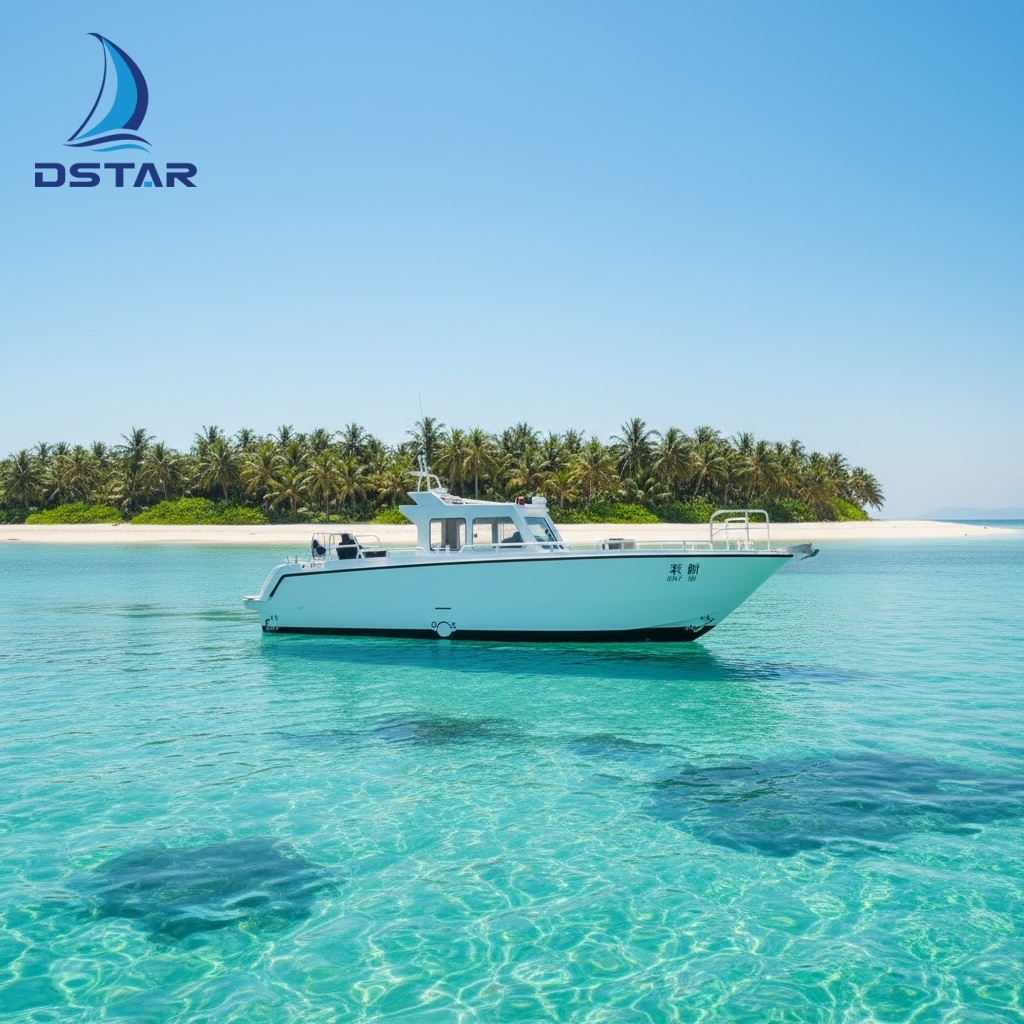
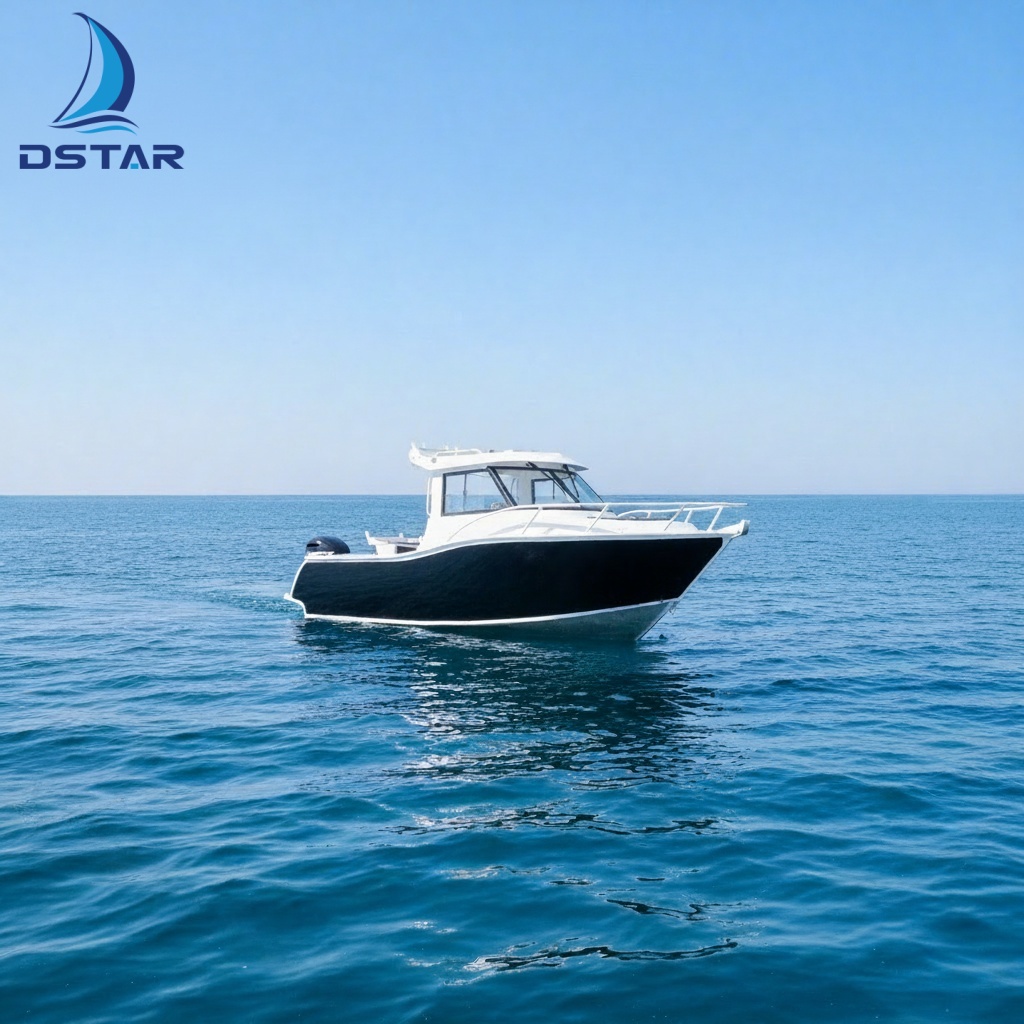
The DK-WR is an 11 m aluminum alloy cruiser boat, classified as an aluminum work boat. Its overall length is 11.00 m and its waterline length is 8.81 m, with a ship width of 3.25 m, type depth of 0.885 m, full-load draught of 0.47 m and a full-load displacement of 5.60 t. The hull and superstructure are built from 5083-H116 aluminum alloy, the same marine-grade family used across the builder's aluminum range. Power comes from two 150 HP (110 kW) gasoline outboards, 300 HP in total, giving a design speed of 26 knots, and the vessel carries 400 liters of fuel.
The DK-WR is specified for coastal rescue, offshore patrol, passenger transport, fishing and marine leisure, and professional workboat operations. Its standard equipment list is notably larger than the DK-FS's: GPS, magnetic compass, VHF radio and AIS (Automatic Identification System) for positioning and collision-avoidance warning; dual fuel quick-close valves, an automatic bilge pump and a portable fire extinguisher (CO₂ + dry powder) in the emergency configuration; six life jackets and two life buoys; an EVA imitation teak floor and soft seat sofa for comfort on longer runs; a remote-control searchlight, tachometer and oil level gauge in the cab; and a DC distribution board, battery charger and shore power socket for power management.
The shared construction baseline
What the two boats genuinely have in common is the material philosophy. Dookyu Crown's stated core expertise is transforming premium marine-grade aluminum (e.g. 5083, 5086 alloys) into lightweight, corrosion-resistant and structurally superior boats. The DK-WR is explicitly specified in 5083-H116 aluminum alloy for both hull and superstructure, and the DK-FS is built from high-grade welded aluminum alloy for corrosion resistance. Both are welded aluminum structures rather than fiberglass or steel, which is the shared baseline a buyer can rely on when comparing them.
That baseline matters commercially. The builder offers end-to-end coverage — design, production, systems integration and lifetime support — and states that vessels can be customized, with publicly stated options including hull sizes from 6 to 23 meters, color, functional layout and power system configuration, and propulsion choices spanning outboard, inboard and electric. The DK-FS at 6.25 m and the DK-WR at 11.00 m both sit inside that stated customization range.
Step-by-Step Breakdown: How to Choose Between the Two
Step 1 — Write the mission envelope before the specification
Define route distance, typical trip duration, number of people, cargo, launch and mooring constraints, and the worst weather you intend to operate in. The DK-FS is a six-person platform with a 6.25 m LOA; the DK-WR is an 11.00 m platform with a 5.60 t full-load displacement. If the envelope includes overnight or all-day coastal work, the smaller platform is usually the wrong starting point.
Step 2 — Match length and waterline length to the water
Length overall tells you what fits at the dock; waterline length tells you how the hull behaves. The DK-WR's 8.81 m waterline under an 11.00 m LOA gives a substantially longer working hull than the DK-FS's 6.25 m inshore package. Longer waterline generally supports steadier running over distance — which is exactly what patrol, rescue and transfer roles require.
Step 3 — Test draft against your shallowest access point
Draft is the hard constraint. The DK-FS has a designed draft of 0.35 m; the DK-WR has a full-load draught of 0.47 m. For river mouths, tidal flats and shallow lake access, the DK-FS's shallower working depth is the relevant figure. For open coastal water, the extra draft of the DK-WR is a normal trade-off for a larger hull.
Step 4 — Match power and fuel to the speed and range you need
The DK-FS runs a single 150 HP YAMAHA to a maximum speed of 30 knots, and the DK-WR runs twin 150 HP outboards — 300 HP total — to a design speed of 26 knots. Note the labels: one is a maximum speed, the other a design speed. Higher total horsepower on the DK-WR is used to move a 5.60 t full-load displacement, not to make it a faster boat than the DK-FS. Both carry 400 liters of fuel, but the same tank volume does not mean the same range, because displacement, load and cruising speed differ.
Step 5 — Count the equipment the hull must carry
List everything that has to be installed: navigation, communications, pumps, safety equipment, work gear, seating or accommodation. AIS, VHF, GPS, shore power, a DC distribution board and a fire-extinguisher configuration are standard items on the DK-WR. If your mission needs that equipment set, the larger platform absorbs it; if it does not, the DK-FS keeps the installation simpler.
Step 6 — Confirm compliance and builder support
Certification and after-sales coverage should be verified as documents, not as marketing claims. Dookyu Crown's public statement is that it follows international standards such as ISO and CE. Buyers should request the applicable certificate, its scope, its number and its validity period before ordering, and should confirm export support — packaging, international logistics, customs clearance and after-sales service are all publicly stated as part of the offer.
Comparison Table: DK-FS vs. DK-WR
All figures below are taken from the published specifications of the two models. Where a value is not published, it is marked as such rather than estimated.
| Parameter | DK-FS — 6.25 m fishing boat | DK-WR — 11 m cruiser / work boat |
|---|---|---|
| Vessel class | Aluminum alloy fishing boat | Aluminum alloy cruiser, classified as an aluminum work boat |
| Length overall | 6.25 m (21 ft) | 11.00 m |
| Waterline length | Not stated in the published specification | 8.81 m |
| Breadth / beam | 2.25 m | 3.25 m |
| Depth moulded | 1.1 m | 0.885 m |
| Designed draft | 0.35 m | 0.47 m (full-load draught) |
| Weight / displacement | 1.28 t aluminum hull and superstructure | 5.60 t full-load displacement |
| Engine | 150 HP YAMAHA | 150 HP (110 kW) × 2 — 300 HP total |
| Speed | Maximum speed 30 kn | Design speed 26 kn |
| Fuel capacity | 400 L | 400 L |
| Complement | 6 persons | Not stated in the published specification (6 life jackets and 2 life buoys listed as standard) |
| Hull material | High-grade welded aluminum alloy | 5083-H116 aluminum alloy, hull and superstructure |
| Typical missions | Coastal, lake and river fishing; marine leisure | Coastal rescue; offshore patrol; passenger transport; fishing and marine leisure; professional workboat operations |
| Standard navigation and safety items | Not itemized in the published specification | GPS, magnetic compass, VHF, AIS; dual fuel quick-close valves, automatic bilge pump, portable fire extinguisher (CO₂ + dry powder) |
Use Cases: Which Boat for Which Job
Inshore fishing and day work — DK-FS. Coastal, lake and river fishing with up to six people, short runs, live-bait handling at the livewell, and repeated launching in shallower water. The 0.35 m designed draft and 2.25 m breadth keep the platform practical where access is the limiting factor, and the 30-knot maximum speed shortens short inshore transits.
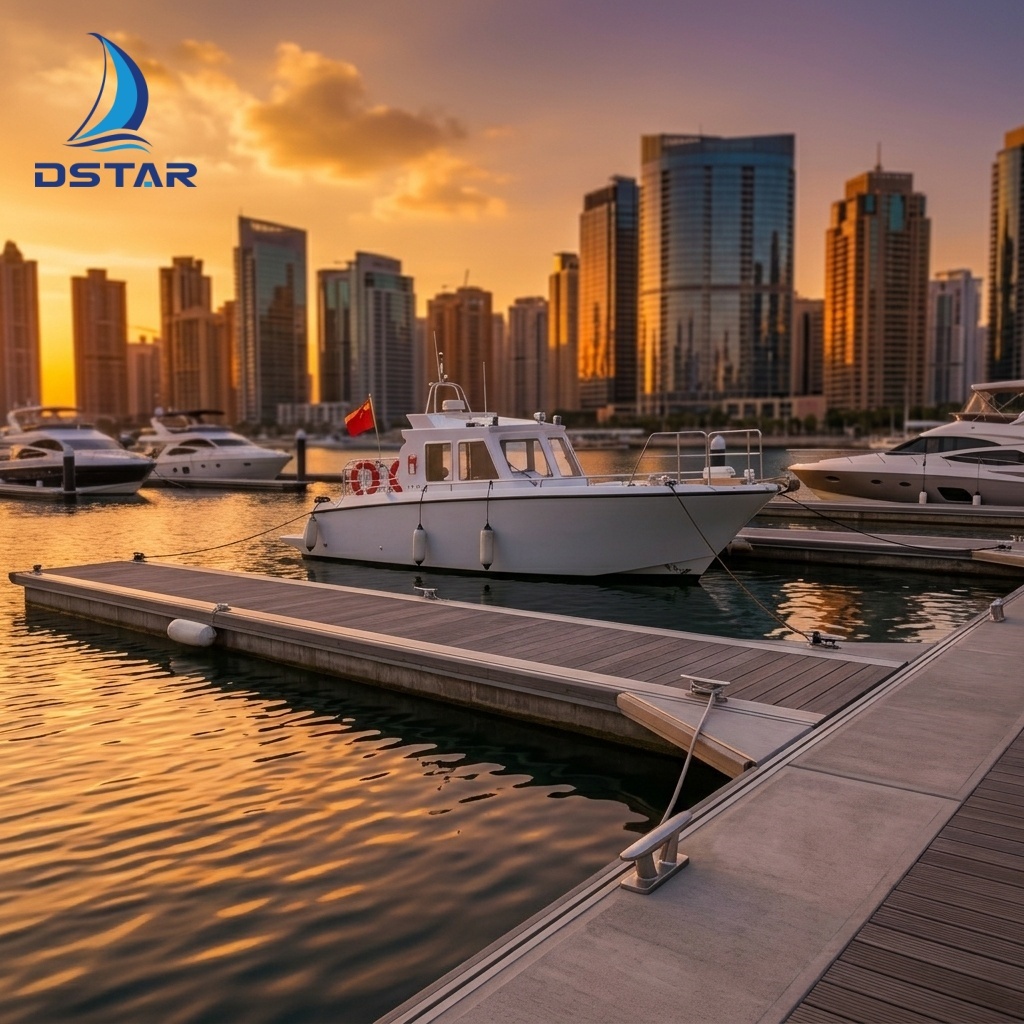
Patrol, rescue and transport — DK-WR. Coastal rescue, offshore patrol, passenger transport and professional workboat operations all need deck area, installed navigation and safety systems, and a hull that can carry the weight of that equipment on longer runs. The DK-WR's 11.00 m LOA, 3.25 m beam and 5.60 t full-load displacement are the reasons it is specified for these roles.
Mixed leisure and light commercial — both, at different scales. Both models are specified for fishing and marine leisure. The difference is scale: the DK-FS stays a day platform for six, while the DK-WR can combine leisure use with transport or patrol duties in the same hull.
Limits and Trade-Offs Buyers Should Confirm
The published data leaves several gaps that a buyer should close before ordering rather than assume. The DK-WR's complement is not stated in the specification, although six life jackets and two life buoys are listed as standard equipment. The DK-FS's waterline length and displacement are not published, and the DK-WR's hull-only weight is not published separately from its full-load displacement. The 1.28 t aluminum figure for the DK-FS and the 5.60 t figure for the DK-WR measure different things and should not be read as a like-for-like weight ratio.
Speed figures are also labelled differently — maximum speed for the DK-FS and design speed for the DK-WR — so they cannot be used as a direct performance comparison. Range is not published for either model, and identical 400-liter tanks on vessels of very different displacement will not produce identical endurance.
Finally, both are inshore-to-coastal platforms in the configurations described. Neither specification claims ocean-crossing capability, and buyers whose missions extend further should confirm hull form, stability documentation and equipment levels against their own operating profile before committing.
FAQ
What is the core difference between the DK-FS and the DK-WR?
The DK-FS is a 6.25 m (21 ft) aluminum alloy fishing boat carrying six persons, powered by a single 150 HP YAMAHA engine with a maximum speed of 30 knots, a designed draft of 0.35 m and 400 L of fuel. The DK-WR is an 11.00 m aluminum alloy cruiser classified as an aluminum work boat, with a 5.60 t full-load displacement, twin 150 HP outboards producing 300 HP in total, a design speed of 26 knots, a full-load draught of 0.47 m and 400 L of fuel. The practical difference is operational scale: an inshore day platform versus a larger multi-role hull for patrol, rescue, transport and leisure work.
Which boat should I choose for shallow water and inshore work?
Draft and footprint decide this. The DK-FS has a designed draft of 0.35 m and a breadth of 2.25 m, while the DK-WR has a full-load draught of 0.47 m and a breadth of 3.25 m. For river mouths, tidal access and shallow lake work, the DK-FS presents the smaller working envelope; for open coastal water where deck area and installed systems matter more than minimum draft, the DK-WR is the appropriate platform.
What certifications should a buyer verify before ordering?
Dookyu Crown's public statement is that it follows international standards such as ISO and CE. That statement should be verified at transaction level: request the applicable certificate for your vessel type, and confirm its scope, certificate number and validity period before placing an order. For patrol, rescue and passenger roles, equipment-level safety requirements should also be confirmed against the intended regulatory environment, since the published standard equipment for the DK-WR includes GPS, magnetic compass, VHF, AIS, dual fuel quick-close valves, an automatic bilge pump and a portable fire extinguisher (CO₂ + dry powder).
Does Dookyu Crown build other aluminum workboats besides fishing boats and cruisers?
Yes. The product portfolio includes luxury yachts, fishing boats, workboats, catamarans, passenger ferries and custom special-purpose craft, all manufactured from marine-grade aluminum. For fire and rescue duty specifically, the DK-FR 13 m aluminum rescue fire boat is specified with an overall length of 13.25 m, a width of 3.6 m, a fire pump flow rate of 1500 gallons per minute, twin 200 HP Mercury outboard motors and a 500 L fuel tank, intended for offshore firefighting and rescue missions. Other models in the range include the DK-PS 19 m passenger catamaran, the DK-CA 38-foot catamaran sailboat and the DK-LU55 aluminum luxury yacht.
How should a buyer evaluate fit before committing to an order?
Work from the mission envelope backwards: trip distance, complement, cargo, shallowest access point, equipment list and operating weather. Then compare those requirements against published specifications rather than against marketing descriptions, and use the customization scope to close the gaps — publicly stated options include hull sizes from 6 to 23 meters, color, functional layout and power system configuration, with outboard, inboard and electric propulsion available depending on the vessel design. A practical next step is to review the Dookyu Crown product brochure and then send your mission profile — route, load and equipment list — to info@dstaryacht.com so the specification can be matched to your operation before any commitment is made.
Conclusion
The DK-FS and the DK-WR are not competing answers to the same question. A 6.25 m aluminum fishing boat with a 150 HP YAMAHA engine, a 0.35 m designed draft and a six-person complement solves inshore access and day-range fishing. An 11.00 m aluminum cruiser with 300 HP in twin outboards, a 5.60 t full-load displacement and a published navigation and safety equipment set solves longer coastal missions where deck area, installed systems and load capacity decide the outcome.
What they share is the part that should be non-negotiable in either case: welded marine-grade aluminum construction, with the DK-WR specified in 5083-H116 alloy for hull and superstructure and Dookyu Crown's stated expertise covering 5083 and 5086 alloys across its range. Choose the platform by mission first, verify the specifications and certificates second, and treat the equipment list as a cost and capability driver rather than an afterthought.
Next step: match the hull to your mission
Send your operating profile — route, complement, equipment and shallowest access point — and the Dookyu Crown team will confirm whether the DK-FS, the DK-WR or a customized hull is the correct fit.
- Download the product catalogue: Dookyu Crown brochure (PDF)
- Website: www.dstaryacht.com
- Email: info@dstaryacht.com | Tel: +86-15689431395 | WhatsApp: +8613335033072
- Contact person: Bruce Liu — Qingdao Dookyu Crown Marine Co., Ltd., South Road, 750m West of Yinzhu Exit of Shugang Expressway, Qingdao, Shandong, China
Have Questions or Need More Details?
Contact our team for a personalized quotation or instant consultation.
Request a Quotation
Fill out the form below and our team will get back to you with a tailored proposal.
WhatsApp Direct Chat
Prefer to chat in real-time? Message us on WhatsApp for instant assistance & quick answers.
- Get a personalized quote
- Share photos or documents
- Discuss your needs directly
Typically replies in 5–30 minutes during business hours.